By Benjamin December 16, 2025
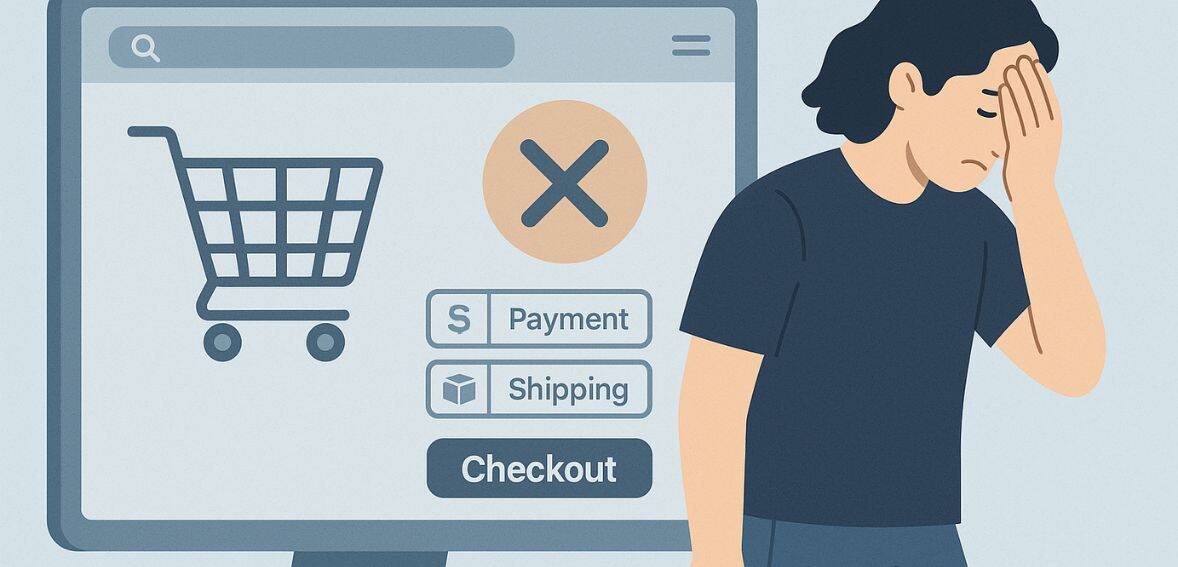
One of the most enduring issues in online shopping is cart abandonment. Consumers clearly intend to buy as they browse, compare, and even add items to their carts, but many depart before the transaction is finalized. Rarely is this conduct random. Abandonment typically occurs when the checkout process creates friction that undermines clarity, convenience, or confidence.
Interest frequently turns into hesitancy at the last stage due to payment restrictions, unforeseen shipping charges, and unclear delivery schedules. Encouraging customers to make purchases is not the way to reduce cart abandonment. It is about getting rid of things that keep individuals from finishing a decision they already made.
Aligning checkout experiences with consumer expectations, behaviour, and psychology is the main goal of smarter payment and shipping logic. When payments feel effortless, and shipping feels predictable, checkout becomes a continuation of the buying journey rather than a barrier at the end.
Understanding the Psychology of Checkout Friction

Customers are emotionally vulnerable during the checkout process. They have already committed time, effort, and intention to the purchase. Any complication or surprise feels magnified. Customers feel out of control when there are unexpected delivery costs or few payment options.
Instead of rejecting the thing itself, this emotional shift frequently results in second-guessing. Maintaining emotional continuity is how smarter checkout logic operates. Consumers should believe that the checkout process fulfills the promises made earlier in the process.
Trust is maintained when pricing, delivery standards, and payment methods are the same from the product page to the confirmation screen. The deal is closed more by trust than by persuasion.
Payment Flexibility as a Conversion Driver
Consumers have strong preferences about how they want to pay when they check out. Some look for installment options to manage cash flow, others prefer cards for familiarity, and still others rely on digital wallets for speed. Friction arises instantly when their preferred method is not available.
Relevance is given priority over quantity in more intelligent payment logic. The objective is to present the best options based on location, device, and behaviour rather than overwhelming customers with options. Wallet-first experiences are advantageous for mobile users, and saved payment methods are valued by loyal customers. Customers proceed without hesitation when making payments, which feels natural and comfortable.
Reducing Cognitive Load During Checkout
Cognitive load increases with each new form field, page reload, or verification process. Consumers unconsciously assess if finishing the transaction is worthwhile. By eliminating stages, enabling autofill, and streamlining confirmation procedures, smarter checkout logic reduces cognitive load.
Even though the actual processing time remains the same, checkout feels quick when clients are not required to re-enter information or understand complicated instructions. One of the most effective strategies to increase completion rates is to minimize mental effort, especially on mobile devices where patience is often scarce.
Choosing the right checkout design can further reduce cognitive load by aligning form structure with user expectations and increasing completion rates.
How Payment Friction Drives Drop-Off
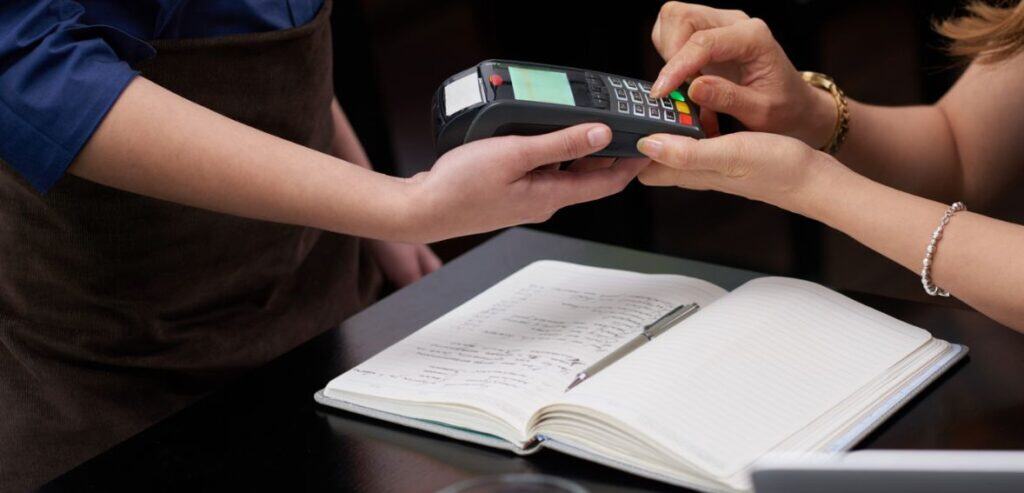
One of the most direct reasons for cart abandonment is payment friction. Customers’ hesitation turns into departure when they arrive at the checkout and find that their preferred payment method is not available. Consumers today demand flexibility. These days, credit cards are insufficient on their own.
Localized payment methods, bank transfers, buy now, pay later options, and digital wallets are now commonplace. In addition to availability, inadequate error management, sluggish processing, or coerced account creation can cause payment friction. The cognitive load increases with each disruption.
More intelligent payment logic dynamically adjusts to the location, device, and behavior of the customer. Businesses lower friction and maintain the emotional momentum required to finish the transaction by providing pertinent payment options up front and minimizing interruptions.
The Hidden Cost Problem in Shipping
Cart abandonment is frequently attributed to shipping costs. Sometimes the surprise is more problematic than the actual cost. Customers feel unfairly treated when they discover shipping costs later in the checkout process. Rather than being solely financial, this response is psychological. Even when the price is fair, customers feel duped. This is addressed by smarter shipping logic, which introduces transparency at an early stage.
Before completing commitment forms, set expectations based on the estimated shipping costs displayed on product pages or in the cart. Customers are more inclined to continue when they feel informed rather than shocked. Eliminating shipping-related uncertainty well in advance of checkout is often the first step in reducing abandonment.
Shipping Speed and Perceived Value
Delivery time has grown to be a significant consideration when making purchases. Major e-commerce platforms have shaped the expectation of quick shipping, which is no longer a luxury. But success is not solely determined by speed. Aligning speed, cost, and clarity is important. If expectations are set honestly, customers are willing to wait longer.
Delivery estimates that are too optimistic or ambiguous cause issues. Delivery windows are dynamically determined by smarter shipping logic based on destination, carrier performance, and inventory location. Businesses can lessen hesitation and disappointment by providing precise timelines. Even if shipping is delayed, customers are more likely to finish their purchase when they have faith in delivery promises.
The Role of Payment Transparency

Transparency in payment goes beyond just displaying the total cost. Clear explanations of taxes, fees, discounts, and terms of installment are included. Customers feel valued when they know exactly what they are paying and why. Suspicion is raised by confusing totals or last-minute changes. Consistency throughout the entire checkout process is ensured by more intelligent payment logic.
The totals shown in the cart and the final confirmation should be the same. Payment confirmations should provide clarification rather than add new information. Transparency lowers the amount of mental work needed to move forward. Customers are much less likely to abandon their cart when they are assured that nothing unexpected will show up after payment.
Localization and Regional Expectations
Localized payment and shipping logic is necessary for both international and local e-commerce. Globally, customer expectations differ significantly. Different nations and even cities have different preferred payment methods. Infrastructure, cultural norms, and regional rivals all influence shipping expectations.
Friction is unavoidably produced by a checkout process that is uniform for all customers. Smart systems recognize their location and adjust as necessary. This covers payment options, delivery choices, tax computations, and currency display.
Localization conveys professionalism and comprehension. Customers are more trusting when they believe that a store is made for them rather than making them adapt. Relevance is the key to localization, not complexity. Relevant experiences boost completion rates and reduce reluctance.
Reducing Cognitive Load at Checkout
The amount of mental work needed to do a job is referred to as cognitive load. Customers are frequently overloaded with choices, forms, and confirmations throughout checkout procedures. This experience can be made easier or more difficult by shipping and payment logic. By reducing pointless options, pre-filling information where feasible, and providing sensible defaults, smarter systems lessen cognitive burden.
Decision fatigue can be decreased, for instance, by prioritizing frequently used payment methods or displaying the most relevant delivery choice first. Customers are more likely to complete the checkout process when it feels simple rather than difficult. Removing needless complexity is frequently more effective in reducing desertion than introducing features.
The Impact of Mobile Checkout Behavior
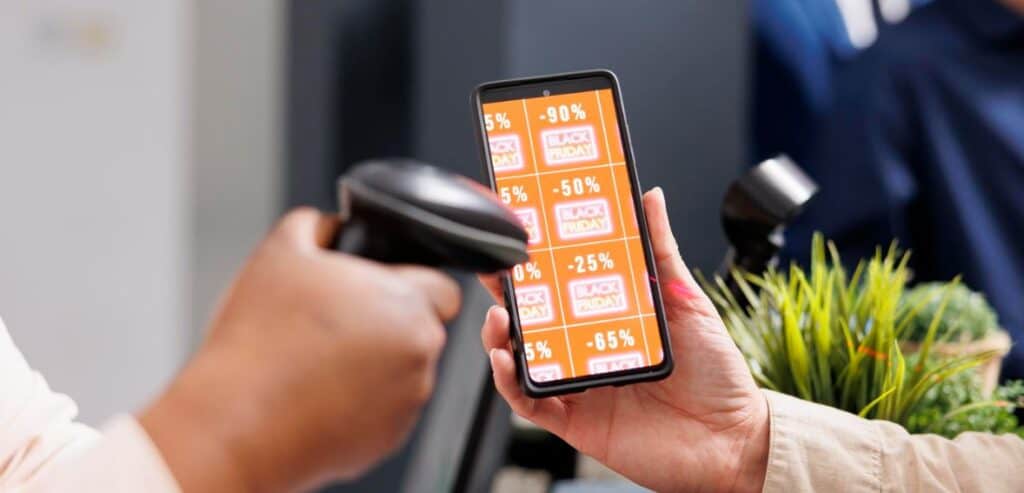
Even while mobile checkout abandonment is still greater than desktop, mobile commerce already accounts for a sizable share of online purchases. Mobile limitations must be taken into consideration in payment and delivery logic. Friction is increased by small displays. On mobile devices, lengthy forms, multiple redirections, and unclear shipping information become even more annoying.
By streamlining procedures, allowing one-tap payments, and providing concise delivery information, smarter logic optimizes for mobile. Mobile shoppers frequently make quick purchases; speed and clarity are essential. Abandonment is reduced when checkout takes into account mobile activity patterns. It is now necessary to design payment and delivery logic using mobile-first thinking.
Buy Now Pay Later and Payment Flexibility
Payment expectations have changed as a result of buy now, pay later choices, particularly for younger customers. Without cutting costs, these choices improve affordability and reduce perceived financial risk. They can drastically decrease cart abandonment when used carefully. Poor integration, meanwhile, might have unexpected consequences.
Improved payment logic makes installment choices easy to understand without overwhelming clients. Eligibility should be easily verified, terms should be clear, and messaging should prioritize choice over obligation. Flexible payment alternatives increase confidence when consumers feel empowered instead of under pressure. When payment flexibility is perceived as an advantage rather than a workaround, it functions best.
Shipping Logic as a Competitive Differentiator
Shipping is now a competitive feature rather than a backend function. Just as they evaluate costs, they also check delivery policies. Abandonment decisions are influenced by return policies, delivery assurances, and free shipping criteria. Data is used by smarter shipping algorithms to maximize these options.
Without reducing profits, dynamic free shipping criteria depending on cart value or client history might promote completion. Clear return shipping guidelines lessen commitment anxiety. Shipping logic becomes a competitive benefit rather than a cost center when it is in line with corporate objectives and consumer expectations.
The Importance of Real-Time Calculations
Real-world circumstances are frequently not reflected in static shipping and payment regulations. Customer locations vary, carrier performance varies, and inventory quantities alter. Accurate information is presented using smarter logic through real-time computations. Overpromising and underdelivering are less likely to occur as a result.
Systems that feel accurate and responsive are trusted by customers. Uncertainty is decreased via real-time shipping prices, tax computations, and payment confirmations. Customers are less likely to hesitate or give up when checkout information seems up to date and trustworthy. Conversions are fueled by confidence, which is strengthened by accuracy.
Error Handling and Recovery at Checkout
Errors are unavoidable, but how they are handled affects whether or not a consumer remains. Checkout can be quickly disrupted by payment difficulties, address validation problems, or delivery restrictions. More intelligent reasoning anticipates mistakes and offers precise, practical advice. Frustration is increased by generic error messages. Momentum is restored with clear explanations and quick fixes.
Customers are kept interested, for instance, by automatically fixing address formatting or offering a different payment option. Error recovery needs to be encouraging rather than punishing. Despite obstacles, buyers are more likely to finish their transaction when they feel assisted rather than obstructed.
Guest Checkout and Identity Friction
Cart abandonment is still mostly caused by forced account signup. Checkout is not the time to require commitment, even though client accounts provide long-term benefit. Guest checkout is supported with more intelligent payment and shipping logic, which also provides the opportunity to create an account later.
This respects the customer’s need for privacy and speed. Identity friction occurs when shoppers are asked for unnecessary information. Limiting data collection to only what is essential reduces hesitation. When checkout is fast and respectful, customers are more likely to return willingly, lowering cart abandonment without sacrificing future engagement.
Long-Term Impact of Smarter Checkout Design
Although lowering cart abandonment increases income right away, the long-term effects are considerably more significant. Consumers who have an easy, straightforward checkout process are more inclined to come back. Loyalty is a result of the trust that is developed during the payment and delivery processes.
Smarter reasoning boosts brand impression, lowers support costs, and increases operational effectiveness. Checkout is a relationship moment as well as a conversion point. Investing in more intelligent systems generates long-term benefits that go beyond specific transactions. Investing in reliable shopping carts that support flexible payments and transparent shipping logic helps create smoother checkouts and reduces abandonment over time.
Conclusion: Turning Checkout Into a Competitive Advantage
Cart abandonment is not unavoidable. It frequently indicates that systems are not meeting client expectations. By putting transparency, adaptability, and trust first, smarter payment and shipping logic tackles the underlying reasons for resistance. Customers can confidently complete purchases when the checkout process is courteous and intuitive.
Empathy for consumer behaviour, data-driven modification, and ongoing attention are necessary to reduce abandonment. Companies have a long-term advantage when they approach checkout as a strategic experience rather than a technical challenge. Smart payment and shipping logic transforms checkout from a friction point to a decisive strength in a crowded digital marketplace.
FAQs
Why do customers abandon carts during checkout?
Most cart abandonment happens due to unexpected costs, complicated checkout steps, limited payment options, or unclear shipping timelines that create hesitation at the final stage.
How do smarter payment options help reduce cart abandonment?
Offering multiple, familiar payment methods and a smooth payment flow reduces friction and makes customers feel confident completing their purchase.
Why does shipping transparency matter so much?
Clear shipping costs and delivery estimates prevent surprises, reduce perceived risk, and help customers trust the checkout process.
Does checkout behaviour differ on mobile devices?
Yes. Mobile shoppers expect faster checkout, minimal form fields, and easy payment options tailored to smaller screens.
How often should businesses improve their checkout experience?
Checkout optimization should be ongoing, using data and customer behaviour to make continuous improvements.